
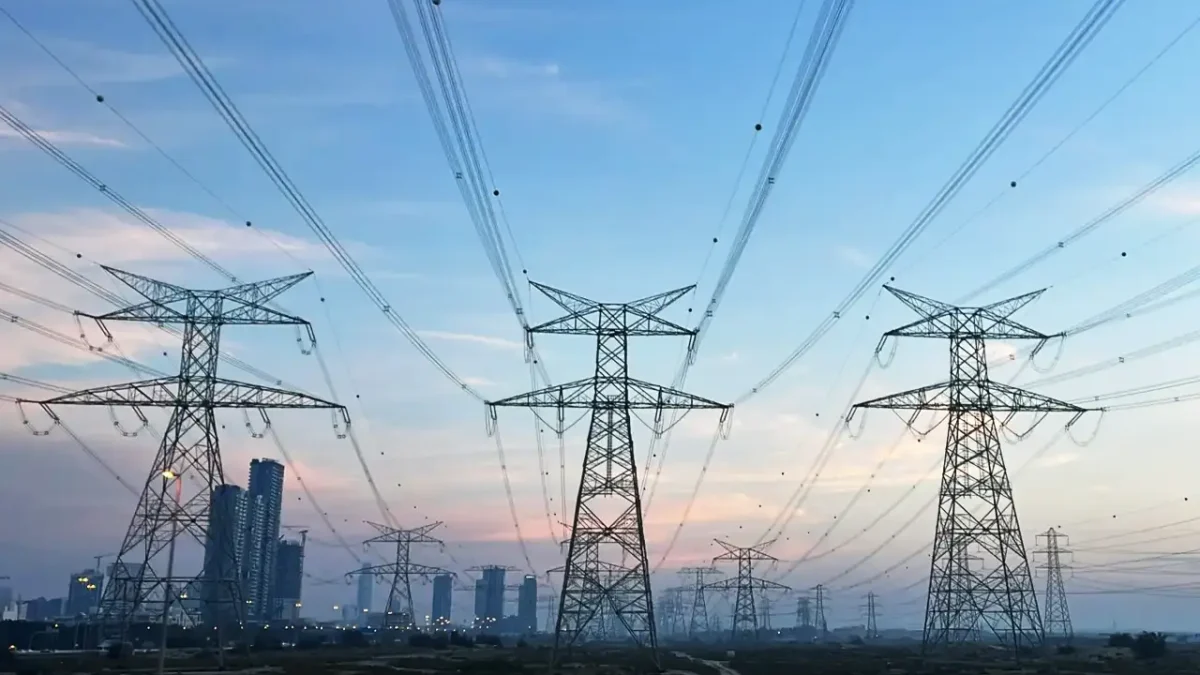
Drive through any growing Indian city and you’ll spot them: 132 kV and 220 kV towers standing right where a new tech park, housing project or data centre wants to go. For years, those lines simply set the boundaries of what could be built. Increasingly, developers and utilities are choosing a different answer and moving the lines underground.
Why the Shift Is Happening
Land is the obvious reason. A high-voltage corridor locks up a wide strip of ground under right-of-way rules, and in a city that strip can be worth a great deal. Moving the circuit into underground cable frees that land for development.
Safety and appearance matter too. Underground cables keep high voltage away from buildings, cranes and the public, and they remove towers from the skyline. For large campuses, that alone can shape how the whole site gets planned.
What the Work Really Involves
So is it just a matter of digging a trench? Not quite. Shifting a live line underground means designing the cable route, building cable trenches or ducts, installing terminal structures where the overhead section meets the cable, jointing and termination, and rigorous testing before the switch. All of it has to fit around the transmission utility’s outage schedule, because the network can’t simply stop while you work.
Coordination is usually the hardest part. The developer, the utility and the contractor each have their own priorities, and a single missed approval can push the whole timeline back by weeks.
Planning Your Own Line Shifting
If a high-voltage line is sitting across your land, bring in an experienced contractor at the planning stage, not after the building design is locked. Early surveys and route options save money and time later.
At Red N Green, we’ve shifted 132 kV and 220 kV lines to underground cable for developments including RR Corp and Prestige, and we’re currently diverting lines for Adani ConneX. Got a corridor in your way? Call us on +91 81427 60202 and we’ll look at the options with you.
Need help with a similar project?
Share your scope and timeline. An engineer will get back to you, usually within one working day.